



Few cities give students as much to explore as New York, from Broadway shows to food from just about every country on earth. But living in New York as a student also comes with a to-do list that includes learning the subway and stocking your kitchen without blowing your budget.
Thanks to this guide, you’ll soon be tapping through the turnstile without breaking stride and ordering a bodega sandwich like a local.
No matter which neighborhood you choose to live in, keep your commute in mind. IENYC is a few minutes’ walk from the C, E, R and W trains in SoHo, so living on one of those lines saves you time every day.
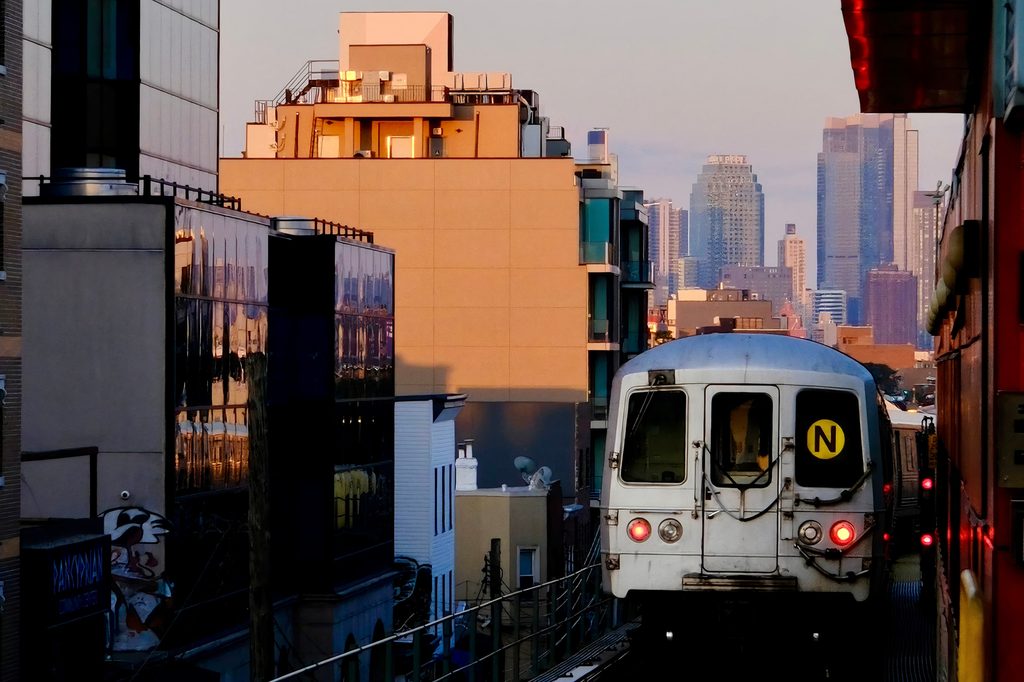
New York’s subway runs 24 hours a day, seven days a week, and has 472 stations, more than any other system in the world. It had nearly 1.3 billion trips in 2025.
Fares are paid with OMNY, the MTA’s tap-to-pay system. Hold a contactless card, or a phone or watch with a digital wallet, flat against the reader on the turnstile until the screen says “GO,” then push through. No contactless card? Buy a reusable OMNY card from a station vending machine.
Tap with the same card or phone every time. Once you’ve paid for 12 rides in seven days, the rest of that week’s subway and local bus rides are free. Transfers between the subway and a local bus within two hours are also free.
Trains are marked uptown (heading north) or downtown (heading south). Express trains skip local stops. Some stations have separate entrances for each direction, so check the sign above the stairs before you tap in.
Weekend and late-night service changes are common, especially on lines undergoing maintenance. Apps like Citymapper, Google Maps and the official MTA app show live arrivals and reroutes, so check before you head out.
Buses are handy for crosstown (east-to-west) trips, since most Manhattan subway lines run north to south. You pay the same way you pay for the subway.
Citi Bike, the city’s bike-share program, sells single rides and day passes through its app, plus an annual membership if you ride frequently. A bike is often faster than the subway if you live a long walk from a station or your trip would mean changing trains.
For short trips, walk. Above Houston Street in SoHo, most of Manhattan follows a grid of numbered streets running east to west and avenues running north to south.
One of the best perks of living in New York as a student is IDNYC, the city’s free ID card for residents. It doubles as a library card and comes with free one-year memberships at more than 35 cultural institutions. You’ll need an appointment, proof of identity and an NYC address, which can be proven through a current lease or a university housing agreement.
A bodega is a small corner store, usually open late, that sells snacks, basics and made-to-order sandwiches. For your everyday grocery shopping, go to supermarkets. Many students stock up at Trader Joe’s, since smaller neighborhood grocery stores can charge noticeably more.
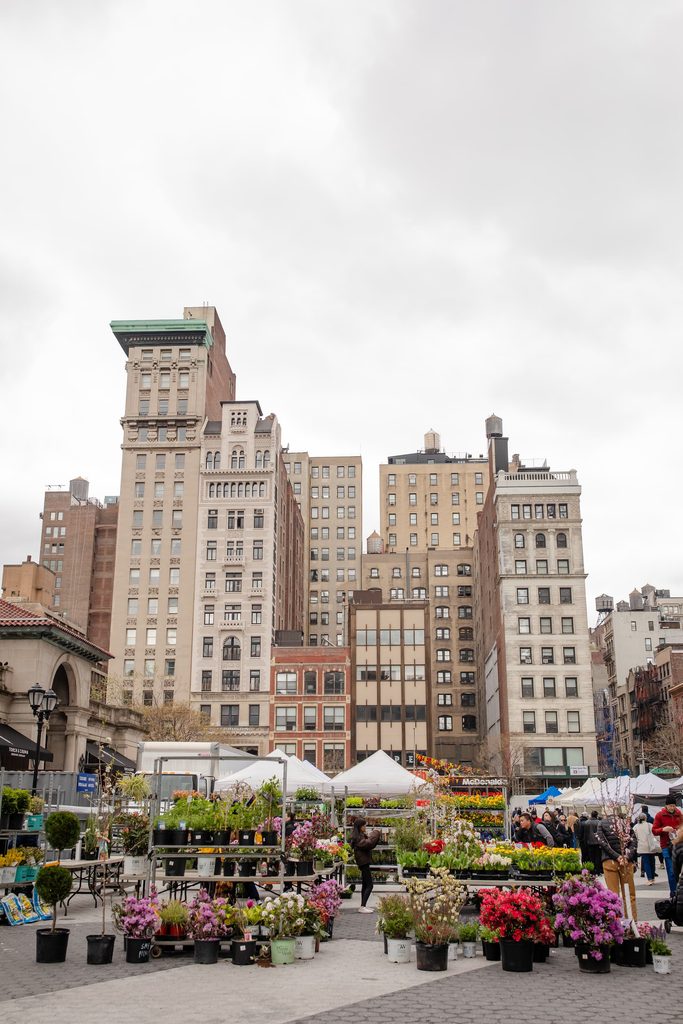
A greenmarket is an outdoor farmers market. GrowNYC runs more than 60 across the city. Farmers from around the Northeast sell seasonal fruit and vegetables, eggs, cheese, meat and fish, plus bread, pies and other baked goods, honey and flowers.
Most markets run once a week on a set day and time, so check the schedule for the one nearest you. The best known is the Union Square Greenmarket, near SoHo.
Many older New York buildings don’t have washers, so most people use a laundromat’s self-service machines. Most laundromats also offer wash-and-fold: drop off a bag and pick it up clean and folded, usually within a day. It costs more, but it can save you hours every week.
To transport your clothes and bedding, a laundry bag with a shoulder strap works for a short walk. Many New Yorkers use a folding shopping cart for heavier loads.
In an emergency, call 911. For everything else, from a noise complaint to a missed trash pickup, there’s 311, the city’s line for non-emergency questions and problems.
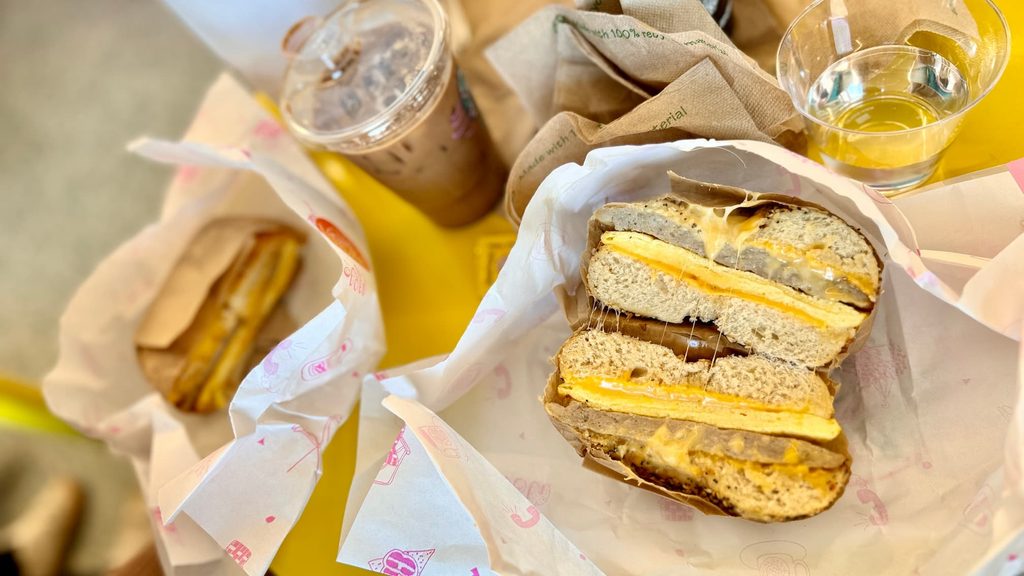
Eating well while living in New York as a student starts with knowing the cheap eats near your apartment and near IENYC, so you always have a go-to between classes.
Coffee shops are part of daily life, too. Plenty are set up for both sipping and studying, from SoHo’s laptop-friendly cafés to more spots a short walk south in Tribeca.
You don’t need a lot of money to have a good time in New York. Spend an afternoon in Washington Square Park, about a 15-minute walk north of IENYC, or explore Manhattan’s smaller parks and green spaces.
The city’s best museums range from immigrant history on the Lower East Side to medieval art uptown. Broadway is more affordable than it looks, with discounted seats through student rush, digital lotteries and the TKTS booths in Times Square and at Lincoln Center.
Living in New York as a student gets easier within a few weeks, once you’ve built a routine: a grocery store, a laundromat, a go-to slice and a subway route you can ride without checking your phone. Thousands of other students are figuring it out at the same time, and IENYC is there to help you settle in. This is your city now. Make your move.
If you’re weighing a master’s in New York, take a tour of IENYC and spend the afternoon walking the SoHo streets you’d call home.
Yes, the NYC subway’s OMNY system accepts any NFC-enabled contactless card, including many cards issued outside the US. Before relying on one every day, check whether your bank charges a foreign transaction fee on each ride. If it does, a reusable OMNY card topped up with cash or a US card avoids the fees.
You rarely need cash in New York, since most shops, restaurants and the subway take cards and contactless payments. Some bodegas, halal carts and laundromats still prefer cash or set a minimum for card payments, so it’s worth carrying a few small bills. ATMs are easy to find, though many charge a fee.
The cheapest way to get from JFK Airport to Manhattan is the AirTrain, which links the terminals to the subway. Ride it to Jamaica for the E, J and Z trains or the Long Island Rail Road or to Howard Beach for the A train. Yellow taxis charge a flat fare between JFK and Manhattan, plus tolls and a tip.
Broadway student rush tickets are discounted seats sold at the theater box office on the day of the performance to anyone with a valid student ID. Each show sets its own price and rules, and not every show offers student rush. Rush seats at popular shows go quickly, so arrive when the box office opens.
Tipping 18% to 20% of the bill is standard at sit-down restaurants in New York. At bars, a dollar or two per drink is typical, and delivery workers and taxi drivers usually get 15% to 20%. Counter-service spots and cafés often show a tip screen at checkout, but tipping there is optional.