


The best NYC museums for students are spread across the city, from restored 19th-century apartments on the Lower East Side to medieval cloisters at the northern tip of Manhattan. The closest is a 20-minute walk east of IENYC in SoHo.
Museums want students through the door, too. When the Whitney Museum of American Art made admission free for visitors 25 and under, it reported that more than 80% of under-25 visitors to its free nights and Sundays said free admission was extremely important in their decision to go.
Here are seven of the best museums in NYC worth a trip, with what to see at each and how to visit on a student budget.
Visiting these museums is a chance to step into the history, ideas and innovations that shape how the world works. For IENYC students, every exhibit can spark a new idea, whether it’s for a project, a pitch or even a career move.
They’re spread across Manhattan and Brooklyn, so pick one or two at a time and give each a proper visit.
Neighborhood: Lower East Side
Best for: Future entrepreneurs, international students, history buffs
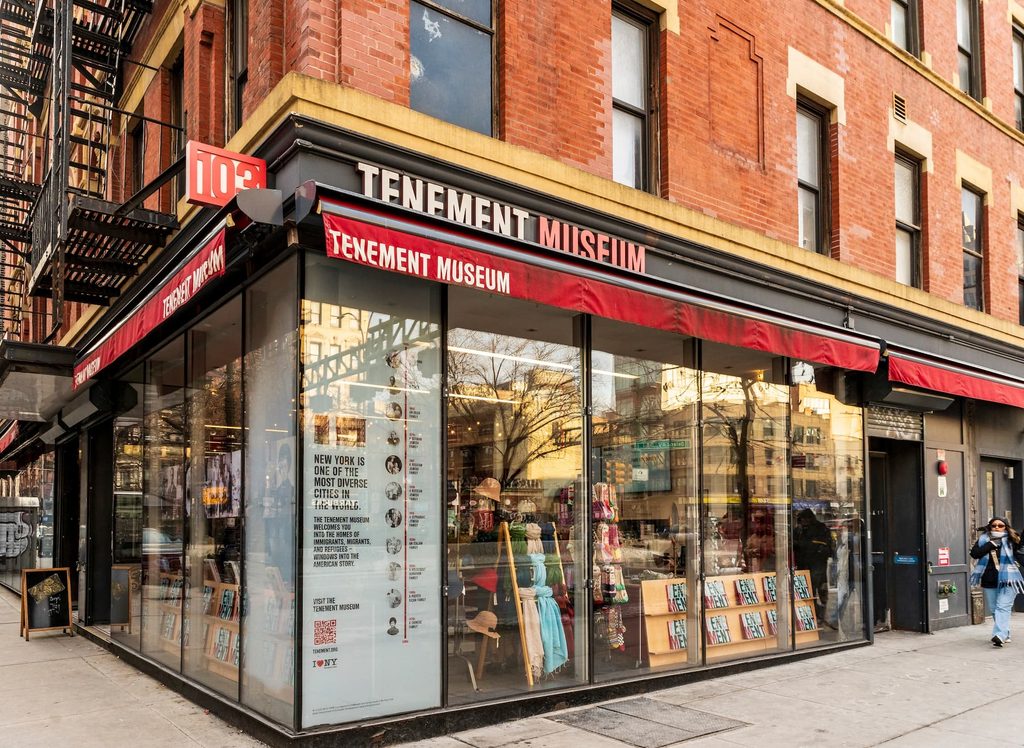
The Tenement Museum tells the story of New York through the families who lived and worked in two buildings on Orchard Street. Educators lead small groups through restored apartments and shops, using objects found in the buildings and primary sources to show how immigrant, migrant and refugee families built lives here.
Many of those families ran businesses from these blocks, from a 19th-century saloon to garment work. The stories of arriving somewhere new and making it work can be inspiring.
Must-sees:
Top tips: The museum can only be visited on a guided tour, and groups are small, so book a time slot online before you go. Afterward, head back west to one of the laptop-friendly cafés in SoHo.
Neighborhood: Prospect Heights
Best for: Global citizens, social impact enthusiasts, art historians

The Brooklyn Museum’s collection runs from ancient Egyptian artifacts to contemporary work exploring social justice. Its exhibitions invite students to engage critically with world cultures.
On the first Saturday evening of select months, free First Saturdays fill the museum with art, talks, music and dancing. Every Sunday from mid-April to mid-November, a pop-up market on the front plaza brings together more than 20 local artisans selling artwork, jewelry, fashion and home goods.
Must-sees:
Top tips: General admission is a suggested contribution, so you can pay what you can.
Neighborhood: Meatpacking District
Best for: Contemporary art lovers, culture critics
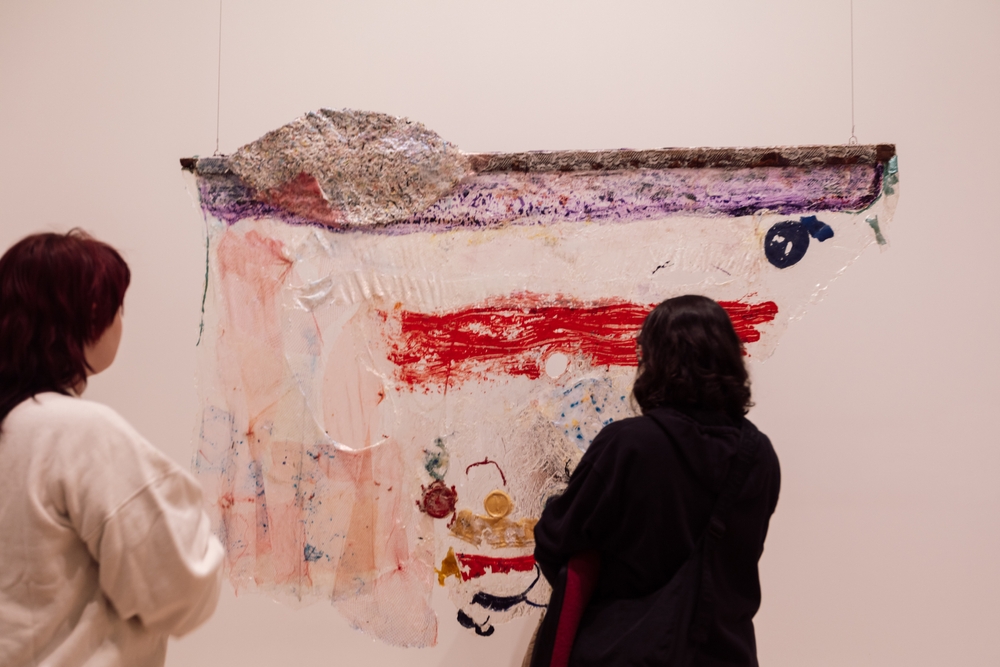
The Whitney celebrates American art, with a strong focus on living artists. Its exhibitions explore topics like politics, technology and social change. Many works reflect modern life, making the museum a great space for students who want to analyze cultural trends.
On Friday nights, the museum comes alive with music, drinks and terrace views of the city. Keep an eye out for the vending machine that sells artist-designed mini prints, too.
Must-sees:
Top tips: Admission is free every day for visitors 25 and under. Everyone gets in free on Friday nights and the second Sunday of every month. Tickets are still required, so book ahead.
Neighborhood: Midtown
Best for: Modernists, entrepreneurs, marketers

MoMA is the home of bold ideas and disruptive thinking. It houses some of the works that have most MoMA is the home of bold ideas. It houses some of the works that most changed how the world thinks about art and design. From Andy Warhol’s “Campbell’s Soup Cans” to early Apple computers like the original Macintosh, the collection shows how new ideas move through culture and industry.
Must-sees:
Top tips: Students get discounted tickets with a valid ID. If you live in New York State, entry is free on Friday evenings through UNIQLO Friday Nights. Reserve in advance and bring proof of residency, such as a student ID.
Neighborhood: Upper East Side
Best for: Fashion lovers, history buffs, architecture geeks
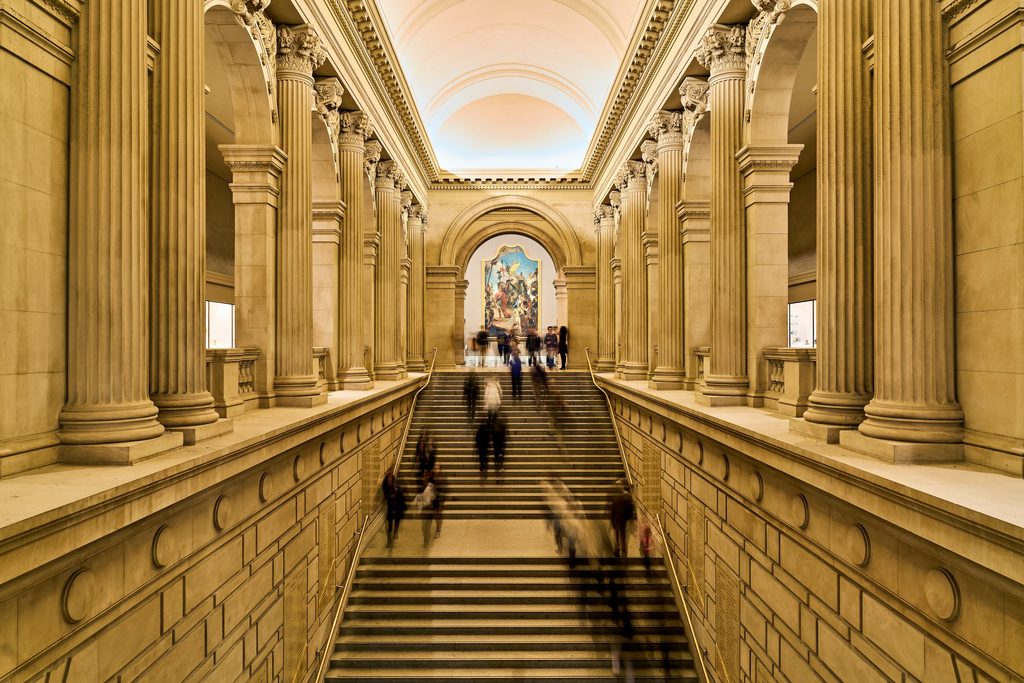
The Met is one of the most famous museums in the world, and for good reason. You can explore ancient civilizations, Costume Institute fashion and world-famous masterpieces in the same visit.
It’s the largest art museum in the US, so there’s something for everyone in its collections.
Must-sees:
Top tips: Students at colleges in New York, New Jersey and Connecticut, like IENYC, can pay what they wish at the admissions desk with a valid student ID. However, you must pay something. Your ticket also covers same-day entry to The Met Cloisters.
Neighborhood: Upper West Side
Best for: Science students, sustainability enthusiasts, curious minds
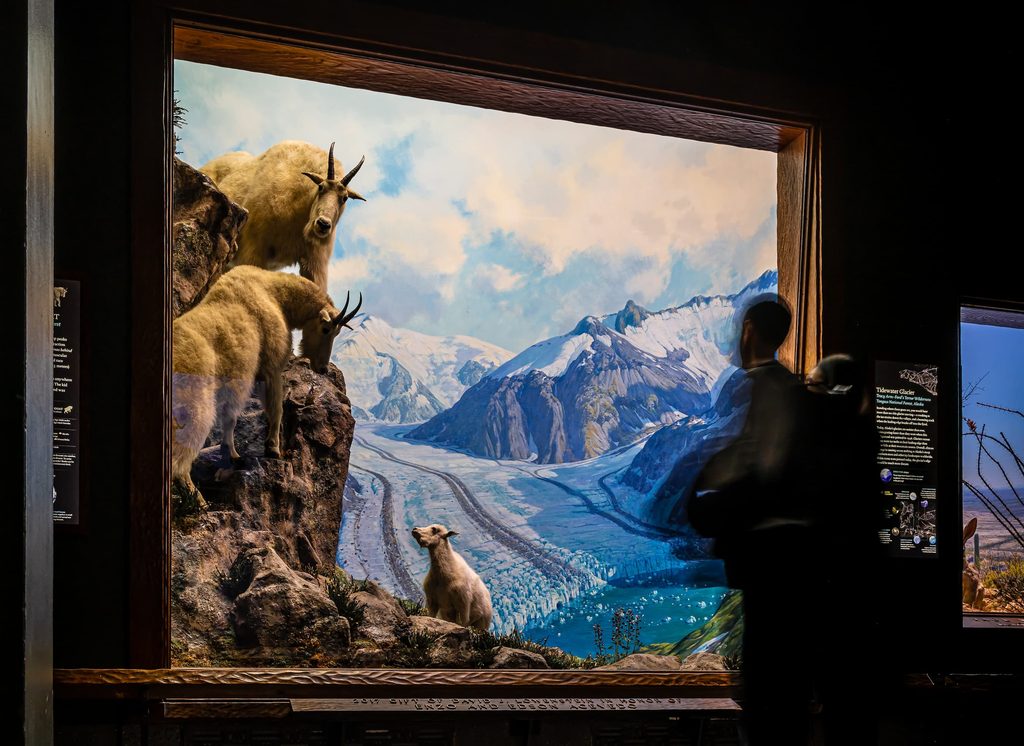
AMNH brings science to life through large-scale exhibits and immersive experiences. You’ll find everything from dinosaur fossils to space exploration. Its hands-on approach makes it especially useful for students studying innovation or sustainability.
Must-sees:
Top tips: New York State residents can pay what they wish for general admission with ID. The Hayden Planetarium Space Show and special exhibitions cost extra.
Neighborhood: Fort Tryon Park
Best for: Architecture lovers, medieval historians, reflective thinkers.
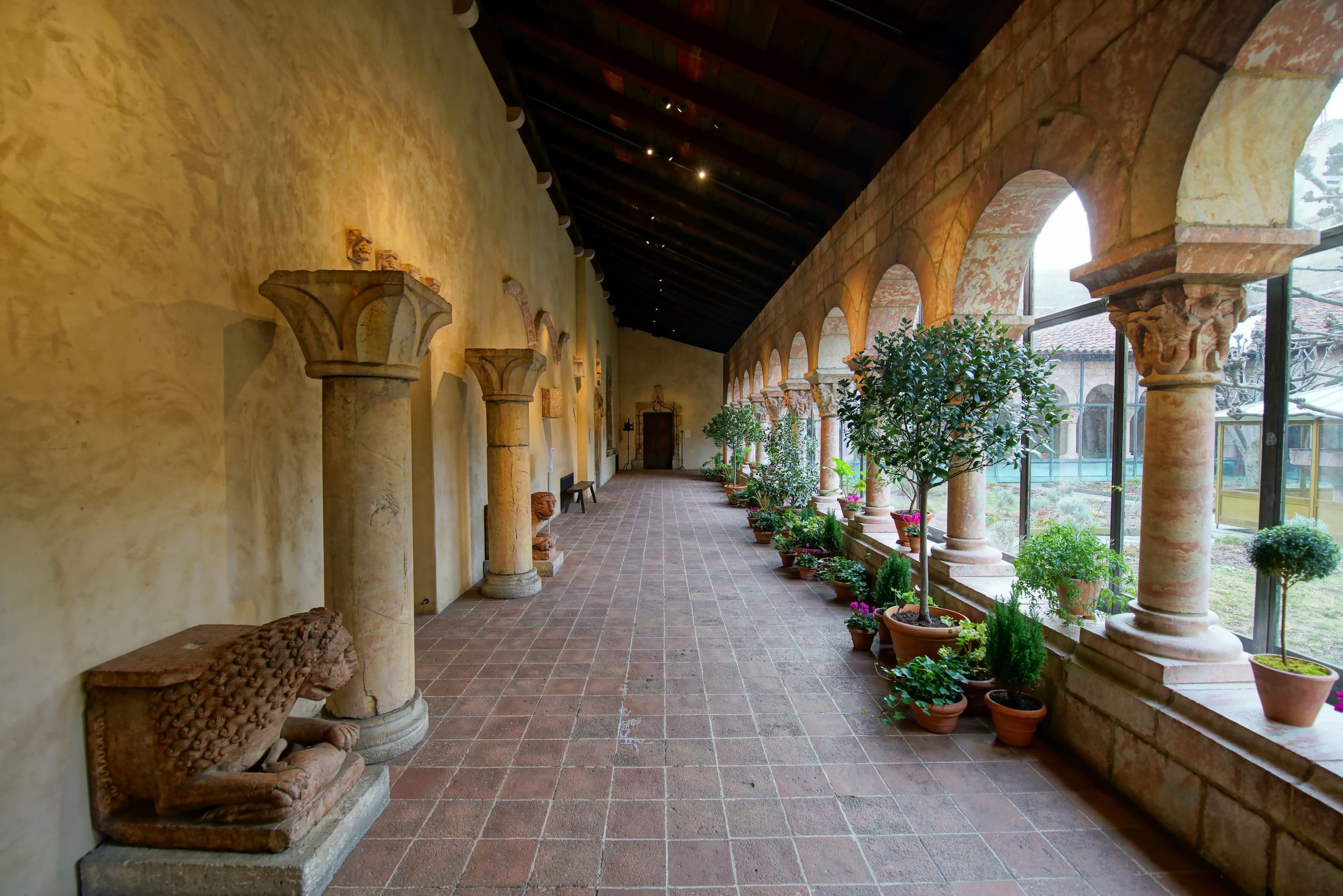
The Cloisters sit at the northern tip of Manhattan, but you may feel as if you’ve stepped back in time. The museum focuses on medieval European art and architecture, and its gardens and quiet galleries give visitors a chance to slow down.
Must-sees:
Top tips: A same-day Met ticket covers entry here too. The Cloisters is a long subway ride north of The Met, so start early if you want to see both in one day. Like The Met, The Cloisters offers pay-what-you-wish admission to students from New York, New Jersey and Connecticut.

Go often and keep visits short. An evening at the Whitney or a single tour at the Tenement Museum won’t cover everything, but it gives you time to actually look. Over a semester, those visits add up to reference points you’ll use in class projects and in conversations with people you meet across the city.
Where you live also determines which museums you become regulars at. A place on the Upper East Side puts The Met around the corner, while living near Prospect Heights keeps the Brooklyn Museum close, so it’s worth factoring into your choice of neighborhood.
At IENYC, New York is part of how you learn, and every museum on this list is a walk or a subway ride from class in SoHo. If you want to see what studying here looks like, book a tour.
The best museum in New York City depends on your interests, but The Metropolitan Museum of Art covers the most ground, with more than 5,000 years of art from around the world. MoMA is the top choice for modern art and design, and the American Museum of Natural History is the top choice for science and natural history.
Seeing the highlights of The Metropolitan Museum of Art takes at least three hours, and a deeper visit can fill a whole day. The Met is too large to cover in one trip, so pick two or three areas before you arrive, such as the Egyptian art galleries or the European paintings.
The Met and MoMA differ mainly in time period. The Metropolitan Museum of Art covers more than 5,000 years of art, from ancient Egypt to contemporary work, while MoMA focuses on modern and contemporary art from the late 19th century onward. MoMA is also known for its architecture and design collection.
Yes, the Tenement Museum is worth visiting for anyone curious about how immigrant families built New York. The Tenement Museum is an affiliated National Park Service site, and every visit is a small-group guided tour of restored apartments, shops or the Lower East Side itself, so book a time slot ahead.
Yes, most major NYC museums offer student discounts with a valid ID. The Met offers pay-what-you-wish admission for New York, New Jersey and Connecticut students; MoMA and the American Museum of Natural History sell discounted student tickets; and the Whitney Museum of American Art is free for visitors 25 and under.